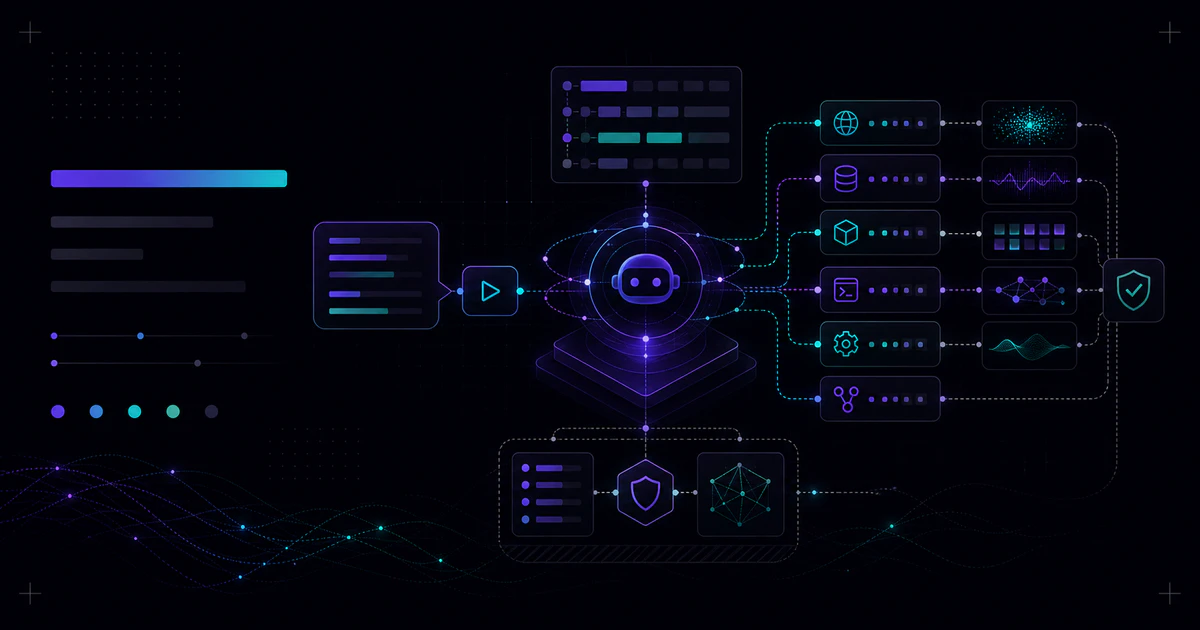
LangChain 在 2026 年 5 月 20 日介紹 Deep Agents interpreters。這個概念可以理解成:給 agent 一個受限的小型 runtime,讓它在 agent loop 裡寫程式、保存臨時狀態、組合工具結果,但又不直接給它完整 sandbox 或主機環境。
這對 agent engineering 很重要。因為很多任務不是單純呼叫一次工具,也不一定需要整台 sandbox。它們需要的是一個可控的中間層。
Interpreter 解決什麼問題?
傳統 agent 常見兩種方式:
- Serial tool calls:模型一次呼叫一個工具,拿到結果,再決定下一步。
- Full sandbox:agent 可以在環境裡跑 shell、寫檔、安裝套件、執行程式。
兩者都有問題。
Serial tool calls 很容易產生太多模型 round trip,中間結果一直塞回 context。Full sandbox 很強,但 action surface 大,佈署、隔離、成本和安全控制都更重。
Interpreter 介於兩者之間。它讓 agent 可以用程式表達多步驟邏輯,但預設沒有 filesystem、network、shell、package installation 等能力。需要碰外部世界時,必須透過 host runtime 明確 expose 的 bridge。
Interpreter state 是第三個 context surface
Agent 常見 context surface 有兩個:
- Message history:模型當下要看的內容。
- Filesystem:保存 artifacts、筆記、中間檔案和長期工作記憶。
Interpreter 加入第三個 surface:live working values。
例如 arrays、objects、maps、counters、queues、helper functions 都可以留在 runtime 裡,不需要每一步都轉成文字、塞回 prompt 或寫成檔案。
這對長任務很有用,因為模型不必背著所有中間資料前進。
Programmatic tool calling 是什麼?
Programmatic tool calling 讓 allowlisted tools 出現在 interpreter 的 tools namespace 裡。Agent 可以寫 code 直接呼叫這些工具,再把結果整理成更小的輸出回到模型 context。
這樣做的好處是:
- 減少中間結果塞進 prompt。
- 減少模型 round trip。
- 讓工具組合更像程式流程。
- 讓失敗模式更容易測試。
- 可以把大量資料先 filter、score、slice,再交給模型判斷。
LangChain 提到早期測試中,這種方式在部分任務上使用更少 token。實際節省幅度會依任務而不同,但方向很合理:不要讓模型看每個中間步驟,只讓它看需要推理的部分。
和 sandbox 差在哪裡?
| 類型 | 能力 | 風險 |
|---|---|---|
| Serial tool calls | 最簡單、好追蹤 | 步驟多時昂貴、慢、context 膨脹 |
| Interpreter | 可寫程式、保存狀態、組合工具 | 需要設計 allowlist、timeout、result size |
| Sandbox | 能跑完整環境、操作檔案和 shell | 隔離、供應、成本和安全負擔更大 |
Interpreter 不取代 sandbox。當 agent 要操作 repo、跑測試、處理檔案或安裝 dependency,sandbox 仍然必要。
但如果任務主要是資料轉換、工具結果組合、subagent dispatch、批次篩選,interpreter 會更輕。
適合哪些 agent 任務?
比較適合:
- 對 1000 筆資料先篩選再總結。
- 同時呼叫多個 subagents 後合併結果。
- 對工具結果做排序、分群、去重。
- 將多個 API 回傳轉成統一 schema。
- 將候選文件先打分,再挑少量進模型 context。
- 在同一個 run 中保留 queue、counter 或 intermediate map。
不適合:
- 需要真實 filesystem 操作。
- 需要安裝套件。
- 需要跑外部 command。
- 需要高度隔離的 untrusted code execution。
導入時要設計的安全邊界
Interpreter 雖然受限,但仍然需要治理。
建議設計:
- 哪些 tools 可以 expose。
- 每次 eval 的 timeout。
- 最大 programmatic tool calls。
- 最大 result size。
- memory limit。
- console output 是否保留。
- 是否允許 snapshot between turns。
- trace 裡是否記錄 interpreter code 和 tool args。
這些設定會決定 interpreter 是可控 runtime,還是另一個看不清楚的執行層。
官方來源
結論
Deep Agents interpreter 的重點,是把 agent 的工作空間切得更細:模型負責判斷,interpreter 負責受限的程式組合,sandbox 負責完整環境操作。
這代表 agent 架構正在變成熟。未來可靠的 agent 不會只有「模型加工具」,而會有多層 runtime:message context、interpreter state、filesystem、sandbox、trace 和 eval 各自負責不同工作。