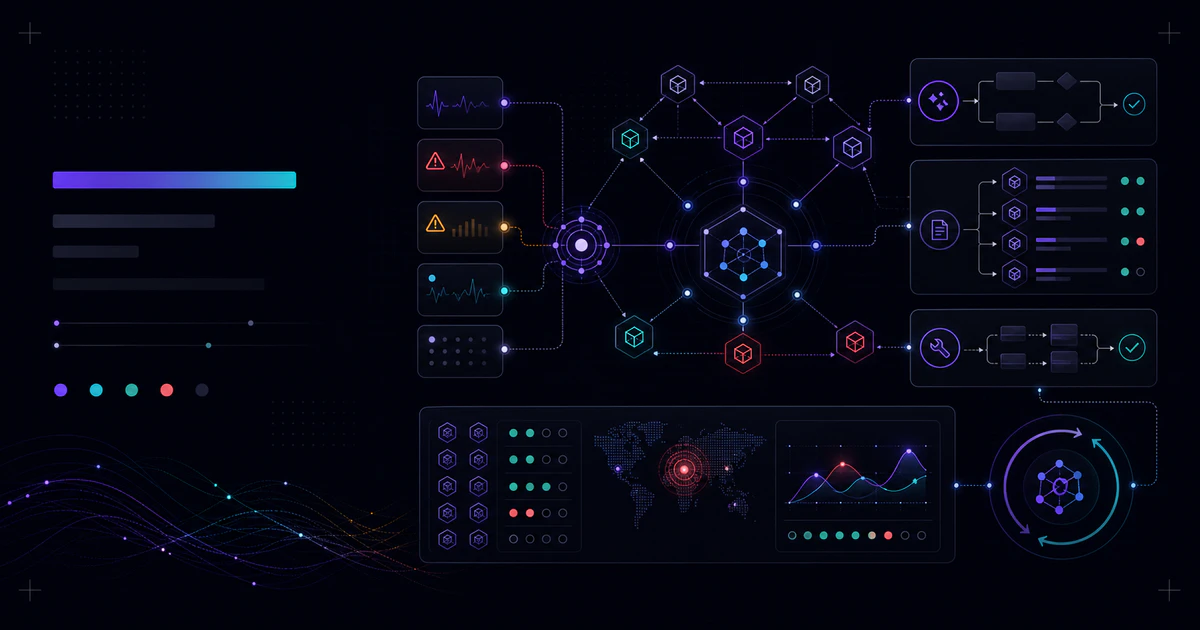
Atlassian Rovo Ops remote MCP server 的意義,是把 AIOps context 開給外部 AI agents 使用。這比一般 incident summary 更進一步,因為它讓 Claude、Cursor、自建 agents 或其他 MCP-compatible tools 可以讀取工程運維資料。
對 SRE、平台工程與 incident response 團隊來說,這是一個很實際的方向。AI agent 要協助事故處理,不能只靠使用者手動貼 log,它需要知道 alerts、incidents、on-call、escalation policies 和 responders。
Rovo Ops remote MCP server 能做什麼?
Atlassian 的 Rovo Ops remote MCP server 讓外部工具可以透過 MCP 存取 operational context。
可能包含:
- alerts。
- incidents。
- on-call schedules。
- escalation policies。
- teams。
- responders。
- incident metadata。
這讓 AI agent 不只是泛泛回答「你可以檢查 logs」,而是能根據當下 incident context 幫忙分析。
為什麼 AIOps 需要 MCP?
Incident management 工具通常資料很分散:
- alert 在 monitoring。
- runbook 在 wiki。
- on-call 在 schedule。
- incident channel 在 Slack。
- issue 在 Jira。
- deploy 在 CI/CD。
- log 在 observability platform。
AI agent 若要協助處理 incident,需要把這些上下文串起來。MCP 的價值,是提供一個較標準化的工具與資料接口。
Rovo Ops remote MCP server 就是把 Atlassian 的 AIOps context 變成可被外部 agent 使用的 interface。
外部 agent 可以怎麼用?
1. 查 incident context
工程師可以問:
現在 P1 incident 的負責團隊、最近 alerts、on-call engineer 是誰?Agent 可以從 Rovo Ops 取得 context,再整理成簡短摘要。
2. 協助 incident handoff
換班時,agent 可以整理:
- 目前狀態。
- 已嘗試行動。
- 仍在觀察的 alerts。
- 下一步。
- 誰正在 on-call。
3. 補 runbook 建議
如果 agent 能同時讀 Rovo Ops 和 Confluence runbook,就可以根據 incident type 建議可能步驟。不過這種建議仍需工程師確認。
4. 回填 Jira 或 post-incident review
在受控權限下,agent 可以協助產生 PIR 草稿、更新 issue 摘要或整理 timeline。
和 Jira AI 有什麼不同?
Jira AI 比較偏 Jira 內部的 work item、summary、triage、automation。
Rovo Ops remote MCP server 則偏「把 operational context 開給外部 AI tools」。
| 類型 | 主要場景 |
|---|---|
| Jira AI | issue、request、work item、JSM automation |
| Rovo Ops | alerts、incidents、on-call、AIOps context |
| MCP server | 讓外部 agents 以標準方式讀取或操作 context |
這讓 Atlassian 生態從內建 AI 功能,往 agent interoperability 走。
風險在哪?
Incident response 是高壓場景,AI agent 不能亂做。
導入時要注意:
- 是否只允許 read-only。
- 是否能限制哪些 incident 可被讀取。
- 是否能防止 agent 自動 acknowledge 或 resolve alerts。
- 是否能追蹤 agent 查了什麼資料。
- 是否能區分正式 incident update 和 AI 草稿。
- 是否能在事故期間避免錯誤建議被當成事實。
比較健康的導入方式,是先讓 agent 做摘要、查詢與交班整理,再逐步開放寫入能力。
適合哪些團隊?
適合:
- 已經使用 Jira Service Management 或 Rovo Ops 的 SRE 團隊。
- on-call context 分散在多個工具的團隊。
- 想讓 AI 協助 incident summary 和 PIR 的團隊。
- 有 MCP-compatible AI tools 的工程團隊。
不一定適合:
- incident 流程還沒有標準化。
- alerts 噪音很高。
- on-call schedule 沒有維護。
- runbook 不完整。
- 沒有人負責 AI 權限治理。
官方來源
- Atlassian Support,Rovo Ops remote MCP server,2026。
結論
Rovo Ops remote MCP server 的重點,是讓 AIOps context 不再只鎖在 incident 平台內,而能被外部 AI agents 受控使用。
未來工程團隊使用 AI 處理 incident,不會只是把錯誤訊息貼給聊天機器人,而是讓 agent 讀取 alerts、incidents、on-call、runbook 和 Jira context。真正的挑戰,是讓這種能力保持 read-only 起步、可稽核、可撤回,並且不在高壓事故中放大錯誤判斷。