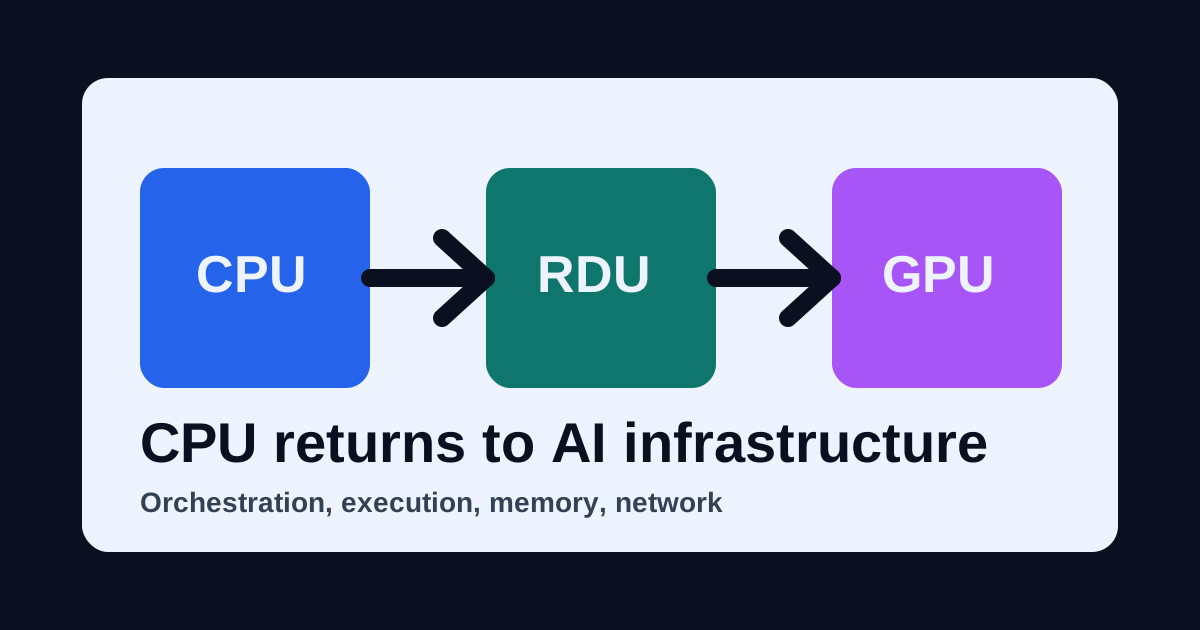
Computex 2026 的主旋律是 AI PC、AI agent、RTX Spark、local AI、AI factory。但 Intel 的 keynote 其實給了另一個值得寫的角度:
AI 進入 inference 與 agentic workload 之後,CPU 重新變重要。
這不是說 GPU 不重要。AI training、large model inference、high-throughput token generation 仍然需要 GPU。Intel 的論點更細:當 AI 從訓練模型,轉向生產環境裡大量推論、工具調用、agent orchestration、資料處理、沙盒、企業 workflow 時,系統瓶頸不再只在 GPU。
這跟 NVIDIA Vera CPU 那篇可以互相呼應。NVIDIA 說 agentic AI 需要 CPU-heavy orchestration;Intel 則用自己的方式說:inference era 會把 CPU 拉回 AI rackscale infrastructure 的中心。
發生了什麼?
Intel 在 Computex 2026 發布多項 AI infrastructure 訊號:
| 項目 | 重點 | 代表意義 |
|---|---|---|
| Rackscale AI infrastructure | Intel、SambaNova、Foxconn 合作,結合 Xeon processors 與 SambaNova SN-50 RDUs | 針對 inference 與 agentic workloads 做系統級方案 |
| Vector Core Compute | 展示 fully disaggregated inference | 把 prefill、decode、orchestration 拆給不同硬體 |
| Xeon 6+ processors | Built on Intel 18A,針對 cloud-native、agentic AI、network-intensive workloads | CPU 不只做輔助,而是做高密度 agent hosting |
| Series 3 momentum | Core Ultra Series 3 超過 325 款 PC design,Arc G-series handheld processors | Intel 仍要維持 PC / edge AI 入口 |
| Industry solutions | Foxconn、Siemens、Hitachi、Echo Neurotechnologies、Greenstone Biosciences | AI infrastructure 往 vertical solution 走 |
最值得拆的是前兩項。
Intel、SambaNova、Foxconn 宣布意向,要建立 rackscale AI infrastructure,服務 data center、hyperscale 與 intelligence center deployment。這套架構用 Intel Xeon processors 搭配 SambaNova SN-50 RDUs,強調 inference 的成本與功耗效率。
另一個 Vector Core Compute 的示範更有架構意義:Intel Xeon 6 做 orchestration and execution,SambaNova SN40 RDUs 做 decode,NVIDIA Blackwell GPUs 做 prefill。這是把推論流程拆成不同階段,再用不同硬體處理。
這種 disaggregated inference 的訊號,比單純發表一顆 CPU 更值得看。
Agentic inference 為什麼讓 CPU 回到中心?
Training era 的 AI 系統相對直覺:大量矩陣運算、GPU cluster、HBM、network、power。
Inference era 開始複雜。尤其 agentic inference 不是單次模型推論,而是多步驟工作流:
- 接收使用者 intent;
- planner 拆解任務;
- retriever 找資料;
- tool router 選工具;
- executor 呼叫 API 或跑程式碼;
- sandbox 執行;
- verifier 檢查結果;
- memory / state manager 保持上下文;
- 多個模型協作;
- 需要 audit log、policy、identity、rate limit。
這裡每個環節都不只是 GPU token generation。CPU 會負責 orchestration、API routing、資料前處理、sandbox、network stack、security policy、state management、queueing、scheduling、logging。
所以 Intel 會說 agentic AI 改變資料中心平衡,讓 CPU 回到 prominence。這個論點不是行銷空話,它反映了 agent workload 的真實形狀。
| Agent 工作 | CPU 角色 |
|---|---|
| Tool calling | API routing、policy check、request shaping |
| RAG | parsing、indexing、filtering、ranking、資料搬移 |
| Sandbox | process isolation、container、VM、filesystem |
| Multi-agent workflow | scheduler、state machine、queue、retry |
| Enterprise integration | auth、logging、audit、connector、network |
| Disaggregated inference | prefill / decode / orchestration 分工與資料流控制 |
GPU 仍然負責高吞吐運算,但 CPU 決定很多 production agent pipeline 的穩定性與利用率。
Disaggregated inference 是什麼訊號?
Vector Core Compute 的示範值得放大看。
他們展示的架構把 inference 拆成不同功能:
| 階段 | 示範硬體 | 工作內容 |
|---|---|---|
| Orchestration / execution | Intel Xeon 6 | 排程、控制、資料流、工作執行 |
| Decode | SambaNova SN40 RDU | token decode 階段 |
| Prefill | NVIDIA Blackwell GPU | context prefill、高吞吐矩陣運算 |
這代表未來 AI inference 不一定是「一張 GPU 包辦」。長上下文、batching、decode、prefill、agent orchestration、cache、network,可以拆成不同硬體池。
這對企業很重要。因為企業 inference 不只追求 benchmark,也追求:
- 成本可控;
- latency 可預測;
- power efficiency;
- GPU 利用率;
- agent throughput;
- 多租戶隔離;
- 不同模型與任務的混合部署。
若 disaggregated inference 成熟,AI infrastructure 會更像 cloud-native distributed system,而不是單一 accelerator system。
Xeon 6+ 的定位
Intel 在 Computex 2026 公布 Xeon 6+ availability,主打 Intel 18A、scale-out、agentic AI、network-intensive workloads、power-constrained performance。
Intel 提到 Xeon 6+ 可以配置在 AI rackscale infrastructure 裡,用於 hosting agents at maximum density,並舉例單一液冷 rack 在 32U compute space 可達 36,864 cores、約 100kW rack power。
這裡的關鍵字不是「單核最快」,而是:
- agent density;
- throughput per core;
- latency predictability;
- sustained performance under power constraints;
- orchestration / concurrency / data movement。
換句話說,Intel 想把 Xeon 6+ 放在 agentic inference 的控制層與執行層,而不是跟 GPU 正面比矩陣運算。
Foxconn 與台灣供應鏈的角色
Intel 這波在台北講 Foxconn,很合理。
Agentic inference infrastructure 不是只有 chip。它需要 rack design、system integration、power、cooling、network、serviceability、manufacturing、deployment。Foxconn 作為世界最大電子製造商,正好站在「把新 AI 架構做成可出貨系統」的位置。
Intel 和 Foxconn 的合作方向包括 rackscale AI infrastructure system integration,以及可能的 design services / custom silicon collaboration。這代表台灣供應鏈不只幫 hyperscaler 組 AI server,也可能參與 disaggregated inference、CPU-dense rack、agentic cloud infrastructure 的系統設計。
這跟 GIGABYTE 的 AI TOP ATOM / GADU / AI factory 路線形成呼應:台灣硬體廠的機會正在往「完整 AI infrastructure package」移動。
跟 NVIDIA Vera 的差異
這篇不能寫成「Intel 反擊 NVIDIA」。比較準確的說法是:Intel 和 NVIDIA 都看到同一個變化,但從不同位置切入。
| 公司 | 切入點 | 核心訊號 |
|---|---|---|
| NVIDIA Vera | GPU-centered AI factory 裡補強 CPU | agentic AI 不只跑 GPU,需要 CPU 處理 orchestration / sandbox / data |
| Intel Xeon 6+ | CPU-centered rackscale inference 架構 | inference / agentic AI 讓 CPU 重新成為 AI 系統關鍵 |
| SambaNova | RDU / dataflow architecture | decode / inference workload 可用不同 accelerator |
| Foxconn | 系統整合 | 把 rackscale AI infrastructure 做成可部署產品 |
這不是誰取代誰,而是 AI infrastructure 從單一 GPU cluster 敘事,變成異質系統設計。
對 AI PC 與 edge AI 的意義
Intel Computex 2026 不只談 data center,也談 PC、handheld gaming、physical AI、edge AI。
Core Ultra Series 3 超過 325 款 consumer / commercial PC designs,Arc G-series processors 進入 handheld gaming,Series 3 IP 也會部署到 edge AI 與 robotics,Intel 說已有超過 130 個 customer 選擇 Series 3 來支援 edge AI / robotics designs。
這些資訊的共同訊號是:Intel 不想只把 AI 戰場放在資料中心,也想保住 PC 與 edge 的基礎位置。
在 AI PC 端,Intel 的挑戰是 Snapdragon X / AMD Ryzen AI / NVIDIA RTX Spark 的夾擊。它的優勢則是 PC 生態系、x86 相容性、企業部署、OEM 關係、以及 CPU / NPU / GPU / edge IP 的整合。
在 edge AI 端,Intel 的論點會更強:很多 industrial、retail、robotics、smart city workload 不是純 GPU workload,而是感測器、network、control、storage、AI inference 與既有系統整合。
風險與問題
第一,Intel 的 AI accelerator 故事仍然不如 NVIDIA 清楚。Xeon 6+ 的 agentic inference 敘事合理,但市場還是會問:真正的大模型推論與 cloud AI 支出,有多少會流向 Intel-led 架構?
第二,disaggregated inference 需要成熟軟體層。把 prefill、decode、orchestration 拆開,在架構上合理,但需要 compiler、runtime、scheduler、network、cache management、observability 一起成熟。企業不會只為架構美感買單。
第三,CPU 回到 prominence 不等於 GPU 需求下降。更多 agent 可能同時增加 GPU 和 CPU 需求。Intel 能拿到的是 AI 系統裡更大的 CPU / orchestration / infrastructure share,而不是直接吃掉 NVIDIA 核心市場。
第四,Intel 18A 與 Xeon 6+ 的交付節奏會被放大檢驗。Computex 敘事成立的前提,是產品能按時、穩定、具競爭力地進入客戶系統。
Mason 判斷
Intel Computex 2026 的重點不是「CPU 打敗 GPU」,而是 agentic inference 把 AI infrastructure 拉回完整系統工程。
當 AI 還停留在模型訓練與單次推論時,GPU 敘事最容易被理解。但當 AI 進入企業生產環境,agent 要調工具、跑流程、讀資料、保持狀態、執行程式、遵守權限、產生 audit log,CPU 的角色自然會變大。
這也是為什麼 Intel 的說法值得寫。它不是熱門規格新聞,而是架構變化:
- GPU 做 prefill / heavy compute;
- RDU / accelerator 做特定 inference 階段;
- CPU 做 orchestration、execution、data movement、agent hosting;
- memory / SSD 承擔 context、KV cache、資料常駐;
- system integrator 把它做成 rackscale deployment。
這才是 agentic AI 進入生產後的真實樣子。
你可以怎麼看?
企業 AI team
- 不要只用 GPU 數量評估 agent infrastructure。
- 要評估 CPU core density、memory、network、storage、sandbox、monitoring、scheduler。
- 如果大量 agent 需要工具調用與 enterprise integration,CPU / orchestration layer 會直接影響成本與可靠性。
開發者
- Agent 效能瓶頸常常不在 model call,而在資料流、工具延遲、state management、retry、sandbox。
- 寫 agent system 時要把 pipeline 拆成可觀測的 stages,不要只看 token latency。
供應鏈觀察者
- Foxconn、GIGABYTE 這類台廠的角色會從 server assembly 走向 rackscale AI infrastructure integration。
- 觀察 CPU-dense rack、液冷、network、RDU / GPU 混合架構是否出現實際採購。
AI PC 讀者
- Intel 的 AI PC 不是只靠 NPU TOPS,它更依賴 x86 生態、OEM 規模、edge / enterprise integration。
- Series 3、Arc G-series、edge AI 會是 Intel 維持 PC / edge 入口的關鍵。
FAQ
Intel 是說 AI 不需要 GPU 了嗎?
不是。Intel 的重點是 inference 和 agentic AI 讓 CPU 在 orchestration、execution、資料流、sandbox、network、enterprise integration 裡重新變重要。GPU 仍然是高吞吐模型運算的核心。
Agentic inference 跟一般 inference 有什麼不同?
一般 inference 偏向單次模型輸入輸出;agentic inference 包含多步驟規劃、工具調用、資料檢索、狀態管理、沙盒執行與多模型協作,因此更依賴 CPU、memory、storage、network 與 orchestration。
Disaggregated inference 是什麼?
它是把推論流程拆成不同階段,讓不同硬體負責不同工作。例如 Xeon 做 orchestration / execution,RDU 做 decode,GPU 做 prefill。目標是提高成本、功耗、延遲與 GPU 利用率的效率。
這跟 NVIDIA Vera 有什麼關係?
兩者都反映同一件事:agentic AI 不只需要 GPU。NVIDIA Vera 是在 GPU-centered AI factory 裡補 CPU;Intel Xeon 6+ 是從 CPU 與 rackscale inference 角度切入 agentic AI。
Sources: